


What is drapery lining and why it matters for your home
Most homeowners assume drapery lining is just an optional extra or purely decorative touch. In reality, this hidden layer transforms how your curtains perform, protect your furniture, and enhance your living spaces. Quality lining extends fabric life, controls light and temperature, and elevates privacy without compromising style. Understanding drapery lining’s role in window treatments empowers you to make smarter choices for comfort, energy savings, and lasting beauty in every room.
Table of Contents
- Key takeaways
- What is drapery lining? Explaining the basics
- Types of drapery lining and their benefits
- How drapery lining enhances your home’s comfort and style
- Choosing and maintaining the right drapery lining for your space
- Enhance your windows with premium drapery linings
- Frequently asked questions about drapery lining
Key Takeaways
| Point | Details |
|---|---|
| Insulation and privacy boost | Lining traps air between fabric layers to reduce heat transfer and enhance privacy. |
| Light control options | Blackout and other linings tailor light levels for bedrooms and media rooms. |
| Lining type guidance | Different linings such as standard, thermal, and blackout serve different purposes based on room needs. |
| Installation matters | Correct hanging alignment and securing linings improves performance and appearance. |
What is drapery lining? Explaining the basics
Drapery lining is an additional fabric layer behind decorative curtains, used for privacy and protection. This secondary layer sits between the window and your outer curtain fabric, creating a functional barrier that enhances performance. Linings come in various weights, opacities, and materials to suit different needs.
Common materials include cotton, polyester blends, acrylic, and specialized blackout fabrics. Cotton linings offer breathability and a natural drape, while polyester provides durability and wrinkle resistance. Blackout materials incorporate tightly woven fibers or foam backing to eliminate light penetration completely.
Lining improves curtain durability by absorbing daily wear that would otherwise damage decorative fabric. Sun exposure fades and weakens unlined curtains within months, but a protective lining layer intercepts harmful UV rays before they reach your expensive outer fabric. Dust and moisture also accumulate on the lining instead of your decorative material, simplifying maintenance.
Beyond protection, linings enhance insulation by trapping air between fabric layers. This dead air space slows heat transfer, keeping rooms cooler in summer and warmer in winter. Light control becomes precise when you add lining, transforming sheer or lightweight fabrics into effective privacy solutions.
Key lining benefits include:
- Protects decorative fabric from sun damage and fading
- Improves temperature regulation and energy efficiency
- Increases privacy without sacrificing curtain style
- Extends overall curtain lifespan by years
- Creates uniform exterior appearance from outside your home
- Reduces noise penetration through windows
Understanding these fundamentals helps you recognize why professional window treatment trends 2025 consistently emphasize quality lining as essential, not optional.
Types of drapery lining and their benefits
Selecting the right lining type transforms how your curtains function daily. Each category serves specific purposes, from complete darkness to energy savings. Understanding these differences ensures your investment delivers exactly what your space requires.
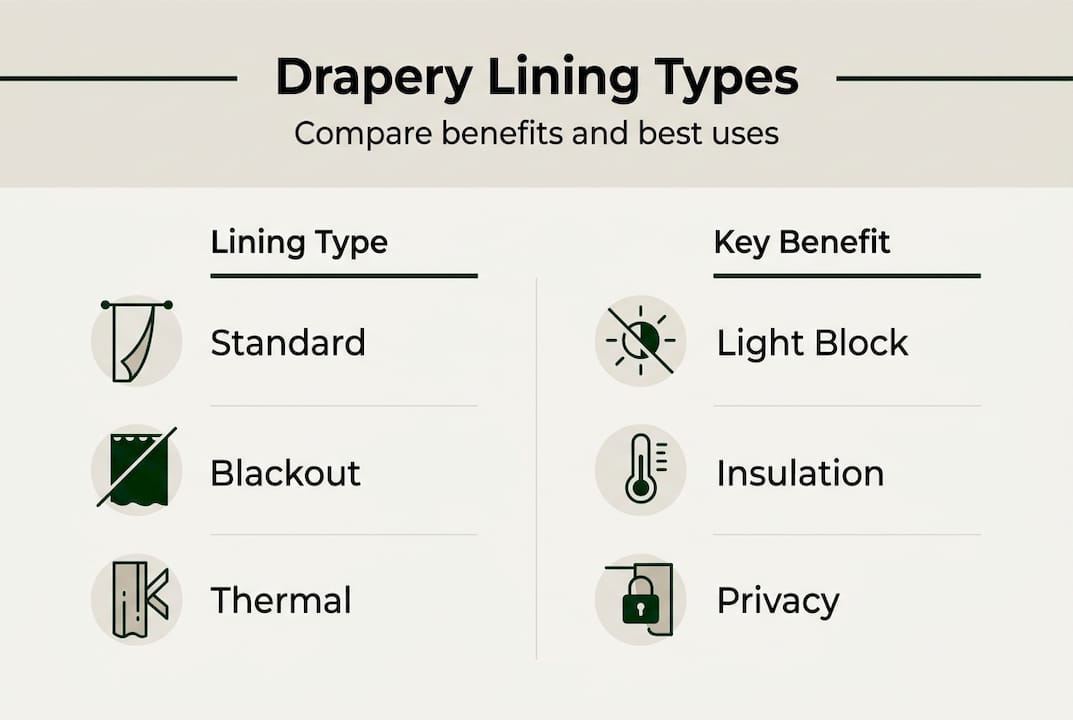
Blackout linings provide total light elimination, making them ideal for bedrooms, nurseries, and home theaters. These linings block sunlight completely, creating pitch-black conditions even during bright afternoons. They typically feature multiple layers or foam backing that prevents any light penetration. Shift workers who sleep during daylight hours rely on blackout linings for quality rest.
Thermal linings focus on temperature regulation and energy efficiency. They incorporate insulating materials that create barriers against heat transfer, reducing HVAC costs year-round. In winter, thermal linings prevent warm air from escaping through windows. During summer, they block external heat from entering your home. These linings pay for themselves through lower utility bills within a few seasons.
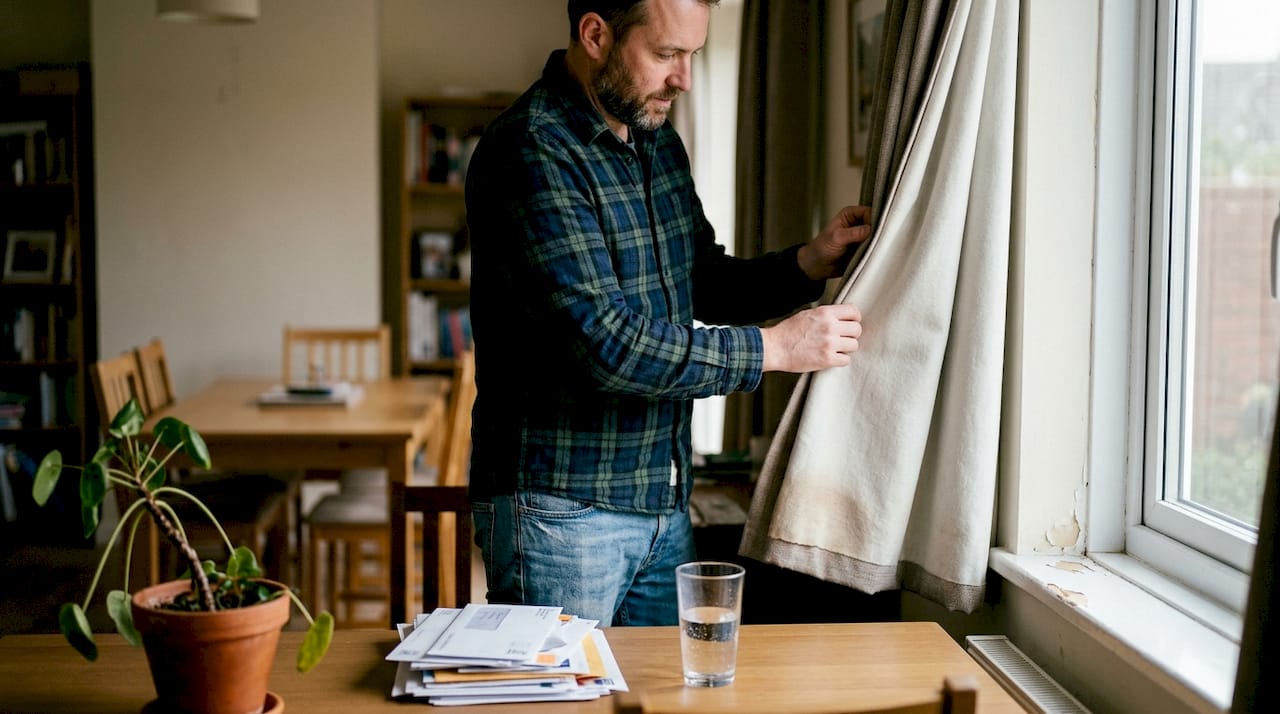
Standard linings offer moderate privacy and fabric protection without specialized features. They add body to curtains, improve drape, and shield decorative fabric from UV damage. While less dramatic than blackout or thermal options, standard linings suit living rooms, dining areas, and spaces where complete darkness isn’t necessary.
| Lining Type | Primary Function | Cost Range | Best Use Cases |
|---|---|---|---|
| Blackout | Complete light blocking | $$ to $$$ | Bedrooms, media rooms, nurseries |
| Thermal | Energy efficiency, insulation | $$ to $$$ | Climate extremes, large windows |
| Standard | Privacy, fabric protection | $ to $$ | Living rooms, dining areas |
| Interlining | Extra fullness, luxury drape | $$$ | Formal spaces, high-end treatments |
Interlining adds a third layer between decorative fabric and lining for ultimate luxury. This batting-like material creates exceptional fullness, sound dampening, and insulation. High-end custom treatments often incorporate interlining for hotel-quality results.
Pro Tip: Match lining weight to your decorative fabric weight for balanced drape. Lightweight sheers need lightweight linings, while heavy velvets pair well with substantial thermal or blackout options. Mismatched weights create pulling, puckering, or uneven hanging that compromises appearance.
Exploring benefits of custom drapes reveals how professional fabrication ensures proper lining integration for flawless performance and aesthetics.
How drapery lining enhances your home’s comfort and style
Quality lining transforms ordinary curtains into multifunctional home improvements. The impact extends beyond windows, affecting room ambiance, energy consumption, and daily comfort in measurable ways.
Linings improve energy efficiency and provide privacy without sacrificing style. Thermal barriers reduce heat loss through windows by up to 25%, cutting heating costs significantly. During summer, reflective linings bounce solar heat away before it enters your home, reducing air conditioning loads. These savings compound over years, making lined curtains a smart financial choice.
Privacy increases proportionally with lining thickness and opacity. Sheer curtains that expose interior activities become completely private when paired with appropriate lining. You maintain decorative fabric choices while gaining functional privacy control. Evening lighting no longer silhouettes your activities for neighbors or passersby.
Noise reduction benefits emerge from layered fabric construction. Sound waves lose energy passing through multiple textile layers, dampening street noise, traffic sounds, and outdoor disturbances. Homes near busy roads or airports gain peaceful interiors through properly lined window treatments. The effect resembles adding acoustic panels without visible room modifications.
Linings create polished, professional appearance from both inside and outside your home. Unlined curtains often appear thin, translucent, or unfinished. Lining adds body and substance, making curtains hang with elegant folds and graceful draping. From exterior views, lined curtains present uniform color and texture, enhancing curb appeal and neighborhood aesthetics.
Evaluate your lining needs through these steps:
- Assess each room’s primary function and time-of-day usage patterns
- Measure window exposure to determine sun intensity and heat gain
- Identify privacy requirements based on window proximity to neighbors or streets
- Calculate potential energy savings against lining investment costs
- Consider aesthetic goals for interior design cohesion and exterior uniformity
“Smart homeowners recognize that window treatments function as climate control, privacy shields, and design elements simultaneously. Quality lining unlocks all three benefits without compromise, delivering comfort and style that unlined curtains simply cannot match.”
Pro Tip: Layer sheer curtains with lined drapes on double rods for ultimate flexibility. Enjoy natural light with sheers during day, then close lined drapes for evening privacy and insulation. This combination maximizes both aesthetic appeal and functional performance across different times and seasons.
Exploring custom window treatments 2026 reveals how professional design integrates lining choices into comprehensive solutions tailored to your specific home environment.
Choosing and maintaining the right drapery lining for your space
Selecting appropriate lining requires analyzing multiple factors specific to each room and window. Matching lining characteristics to your environment ensures optimal performance and longevity.
Room function dictates lining priorities. Bedrooms demand light control for quality sleep, making blackout linings essential. Living rooms balance natural light with privacy, suggesting standard or light-filtering options. Home offices benefit from glare reduction without complete darkness, pointing toward moderate opacity choices.
Window exposure determines heat and UV challenges. South-facing windows receive intense sunlight requiring thermal or UV-blocking linings to prevent furniture fading and temperature spikes. North-facing windows need less aggressive protection, allowing lighter lining choices. East and west exposures experience morning or afternoon sun bursts, benefiting from adjustable layering strategies.
Insulation needs vary by climate and season. Cold climates justify investment in thermal linings that pay back through heating cost reductions. Moderate climates may find standard linings sufficient for year-round comfort. Hot regions prioritize heat-reflective linings that reduce cooling expenses.
Curtain fabric weight influences lining compatibility. Heavy fabrics like velvet or tapestry pair well with substantial linings that enhance drape without adding excessive bulk. Lightweight linens or cottons need proportionally lighter linings to maintain graceful movement and avoid pulling.
Installation tips for professional results:
- Press both lining and decorative fabric before assembly to eliminate wrinkles
- Use proper sewing techniques to prevent puckering at seams
- Hang curtains with adequate fullness for elegant folds and effective coverage
- Allow 24 hours for curtains to relax and settle into final drape
- Steam finished curtains gently to remove any remaining creases
Proper installation and care ensure lasting beauty and function. Maintenance preserves lining performance and extends curtain lifespan significantly. Most linings tolerate gentle machine washing on delicate cycles with mild detergent. Always check manufacturer specifications before laundering.
Spot cleaning addresses localized stains without full washing. Blot spills immediately with clean, damp cloth, working from stain edges inward to prevent spreading. Avoid rubbing, which damages fibers and sets stains deeper. Professional dry cleaning suits delicate fabrics or stubborn stains beyond home treatment capabilities.
Sun damage prevention includes rotating curtains periodically to distribute UV exposure evenly. Close curtains during peak sunlight hours when rooms are unoccupied. Consider UV-filtering window film as additional protection for extremely sunny exposures.
| Lining Material | Washing Method | Drying Recommendation | Durability Rating |
|---|---|---|---|
| Cotton | Machine wash cold, gentle | Line dry or low heat | 5-7 years |
| Polyester | Machine wash warm | Tumble dry low | 7-10 years |
| Blackout (foam) | Dry clean only | Professional pressing | 5-8 years |
| Thermal (layered) | Dry clean recommended | Professional pressing | 8-12 years |
Pro Tip: Inspect linings annually during spring cleaning to catch early signs of deterioration like thinning fabric, separated seams, or fading. Addressing minor issues immediately through simple repairs prevents complete replacement needs and extends your investment’s useful life by years.
Learning home lining installation tips from experienced professionals helps DIY enthusiasts achieve results matching custom workroom quality.
Enhance your windows with premium drapery linings
Transforming your window treatments starts with quality materials designed for lasting performance and beauty. Beautiful Windows Elgin specializes in premium drapery fabrics and professional-grade linings that elevate every room in your home.

Our curated selection includes blackout, thermal, and decorative linings matched to diverse style preferences and functional requirements. Whether you’re creating complete darkness for restful sleep or improving energy efficiency throughout your home, you’ll find exactly what your project demands. Browse designer fabrics by the yard to discover coordinating decorative textiles that pair beautifully with our lining options.
DIY enthusiasts appreciate our expert guidance for selecting compatible fabrics and linings that ensure professional results. Our silver waterproof canvas fabric demonstrates the specialized materials available for unique applications beyond traditional window treatments. From consultation through completion, we support your vision with quality products and knowledgeable assistance.
Frequently asked questions about drapery lining
What exactly is drapery lining?
Drapery lining is a secondary fabric layer attached to the back of decorative curtains, providing privacy, light control, and fabric protection. It sits between your window and outer curtain material, creating functional barriers against sun, temperature, and visibility. Quality lining transforms ordinary curtains into multifunctional home improvements.
How does lining extend curtain lifespan?
Lining shields decorative fabric from direct UV exposure, which causes fading and fiber breakdown. It absorbs dust and moisture that would otherwise accumulate on expensive outer fabric, reducing cleaning frequency and wear. By intercepting daily environmental stress, lining preserves curtain color, texture, and structural integrity for years beyond unlined alternatives.
What’s the difference between blackout and thermal linings?
Blackout lining eliminates light completely through dense, opaque materials or foam backing, ideal for bedrooms and media rooms requiring total darkness. Thermal lining focuses on temperature regulation using insulating layers that reduce heat transfer, lowering energy costs without necessarily blocking all light. Choose blackout for sleep quality, thermal for energy efficiency, or combined options for both benefits.
How should I clean curtains with lining?
Most cotton and polyester linings tolerate gentle machine washing on cold or warm settings with mild detergent. Always verify manufacturer care labels before laundering. Blackout and thermal linings often require dry cleaning to preserve specialized coatings or layered construction. Spot clean minor stains immediately with damp cloth to avoid full washing between seasonal deep cleans.
How do I choose lining for different rooms?
Match lining to room function and window characteristics. Bedrooms need blackout lining for quality sleep and privacy. Living areas benefit from standard lining balancing natural light with moderate privacy. South-facing windows require UV protection regardless of room type. Consider climate, with thermal linings essential for temperature extremes and energy savings in any space with significant heating or cooling needs.
Recommended
- Role of drapery fabrics: Cut noise by 70% & save energy – Designer Fabrics by the Yard | Drapery Making Services
- Why choose cotton drapery: benefits for your home in 2026 – Fabric Store in Columbia, SC | Drapery Making Services
- How to Choose the Right Fabric for Drapery – Shop Designer Fabrics by the Yard | Curtains & Drapery
- Why Use Custom Drapes: Enhanced Comfort and Style – Shop Designer Fabrics by the Yard | Curtains & Drapery