


Common Curtain Styles | To Elevate Your Home Decor
Common curtain styles. Choosing the right curtains for your home involves more than picking a color you like. With dozens of styles, fabrics, and lengths available, the decision can quickly become overwhelming. This guide breaks down the most common curtain styles and explains the key factors that influence your choice, from light control to ease of use. You’ll discover practical tips for selecting window treatments that complement your aesthetic while meeting your functional needs, whether you’re decorating a bedroom, living room, or kitchen.
Table of Contents
- Key takeaways
- Evaluating curtain style criteria: aesthetics, function, and ease of use
- Overview of the most common curtain styles
- Curtain fabric and length options to match styles and needs
- Choosing curtain style and fabric for specific rooms and functions
- Explore designer fabrics and curtain styles at Beautiful Windows Elgin
- FAQ
Key Takeaways
| Point | Details |
|---|---|
| Curtain styles overview | This guide explains the most common curtain hanging styles and how they affect appearance and everyday use. |
| Light control guidance | Light control needs vary by room with bedrooms favoring opaque fabrics and living rooms benefiting from lighter materials. |
| Mounting for perceived space | Placing the rod high and wide can make windows feel taller and the room appear larger. |
| Measure and fit tips | Measure your windows twice and add margins to ensure full coverage when hanging curtains. |
Evaluating curtain style criteria: aesthetics, function, and ease of use
Before selecting a specific curtain style, consider how you’ll actually use your window treatments. The way curtains open and close varies dramatically by style. Grommet and Back Tab styles glide smoothly for daily operation, while Rod Pocket curtains tend to bunch and stick, making them better suited for windows you rarely adjust.
Light control needs differ by room. Bedrooms benefit from heavy, opaque fabrics that block morning sun, while living rooms often work better with lighter materials that filter daylight without creating darkness. Think about whether you’ll open and close your curtains daily or leave them as decorative accents. High-traffic rooms need durable fabrics that withstand frequent handling.
Mounting decisions affect both style and function. Installing your curtain rod closer to the ceiling makes rooms feel taller, while extending the rod beyond the window frame creates an illusion of wider windows. These simple adjustments enhance your chosen style’s impact without additional cost.
Pro Tip: Measure your windows twice before ordering curtains. Add 4 to 6 inches on each side of the window frame for proper coverage, and mount the rod at least 4 inches above the frame to maximize the room-heightening effect.
Balance aesthetics with practicality. A stunning pinch pleat curtain loses appeal if you struggle to open it every morning. Consider your daily routine, the room’s purpose, and how much natural light you prefer throughout the day. These factors guide you toward styles that look beautiful and work seamlessly in your space.
Overview of the most common curtain styles
Understanding the common curtain hanging styles helps you match form with function. Each style creates a distinct look and offers different operational benefits.
Grommet curtains feature metal or plastic rings along the top edge that slide directly onto the curtain rod. This design creates uniform, modern pleats and allows smooth opening and closing. The contemporary aesthetic works well in casual spaces, and the easy glide makes grommet curtains ideal for windows you adjust frequently. However, the visible rings may not suit traditional or formal decor.
Pinch pleat curtains use fabric pinched and sewn into structured folds, creating an elegant, tailored appearance. This classic style adds formality to dining rooms and master bedrooms. The pleats hang beautifully but require more fabric than simpler styles, increasing cost. Pinch pleats work with traverse rods or decorative rods with rings.
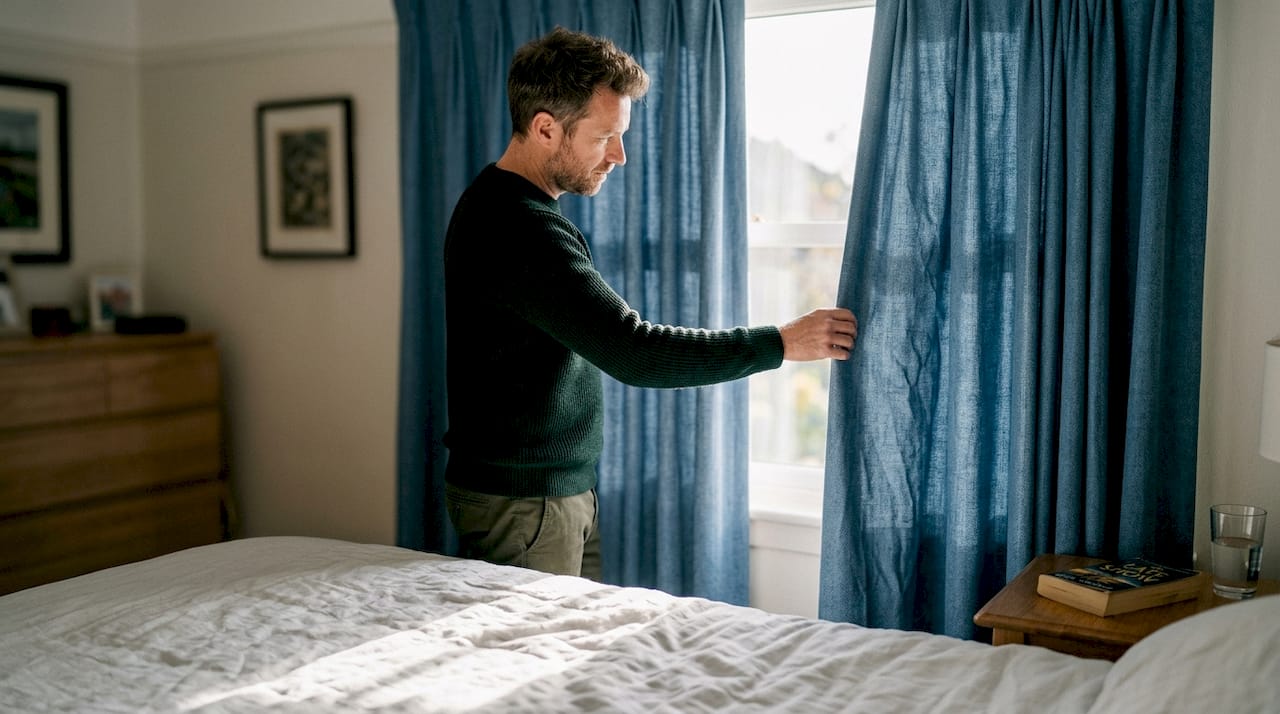
Rod pocket curtains have a sewn channel at the top that slides over the curtain rod, creating a gathered, casual look. While budget friendly and easy to install, the fabric bunches when you try to open or close them. This style suits windows where curtains remain stationary, like decorative panels flanking a window with blinds.
Back tab and tab top curtains feature fabric loops sewn to the back or top of the panel. Back tabs hide the rod for a clean look, while visible tabs create a relaxed, cottage style. Both glide more smoothly than rod pocket curtains and offer a less formal alternative to pleated styles.
Pencil pleat, box pleat, and goblet pleat curtains represent variations on structured pleating. Pencil pleats create tight, narrow folds for a traditional look. Box pleats form squared, tailored folds that add dimension. Goblet pleats resemble wine glasses and deliver maximum formality. These styles require professional installation and suit formal spaces.
Wave fold curtains create a modern ripple effect across the window using specialized track systems. This contemporary style has gained popularity for its clean lines and smooth operation. Wave fold curtains require professional measurement and installation but deliver a sophisticated, hotel-like appearance. The consistent wave pattern works beautifully in minimalist and modern interiors.
Explore the curtain style selection process to determine which option aligns with your room’s design and your practical needs.
Curtain fabric and length options to match styles and needs
Fabric choice transforms how curtains look and perform. Curtain fabrics include cotton, linen, polyester, velvet, and silk, each offering distinct characteristics.
| Fabric Type | Characteristics | Best Uses | Care Requirements |
|---|---|---|---|
| Cotton | Breathable, versatile, moderate weight | Living rooms, bedrooms, casual spaces | Machine washable, may wrinkle |
| Linen | Natural texture, light filtering | Casual rooms, coastal or farmhouse style | Wrinkles easily, dry clean or gentle wash |
| Polyester | Durable, wrinkle resistant, affordable | High-traffic areas, rentals, budget projects | Machine washable, low maintenance |
| Velvet | Heavy, luxurious, excellent light blocking | Formal rooms, bedrooms, cold climates | Dry clean only, shows dust |
| Silk | Elegant drape, delicate, light sensitive | Formal spaces with limited sun exposure | Dry clean only, fades in sunlight |
Lightweight fabrics like cotton and linen suit casual looks and allow soft light diffusion. These materials work well for spaces where you want brightness without harsh glare. Heavy fabrics like velvet and thick polyester provide superior light blocking and insulation, making them ideal for bedrooms and rooms facing busy streets.
Curtain length dramatically affects room proportions and style. Common curtain lengths include sill, floor, and puddle, with hover emerging as a modern preference. Sill length curtains end at the window sill, creating a casual, cottage look best suited for kitchens and bathrooms. Floor length curtains graze the floor, offering a classic, tailored appearance that works in most rooms.
Puddle length curtains pool 2 to 6 inches on the floor, creating a dramatic, romantic effect perfect for formal spaces with high ceilings. However, this style collects dust and makes cleaning difficult. Hover length curtains hang about a quarter inch above the floor, combining a contemporary look with practical benefits. This length prevents fabric from dragging through dirt and pet hair while maintaining clean lines.
Pro Tip: Choose curtain fabrics based on your willingness to maintain them. Polyester offers the easiest care, while silk and velvet demand professional cleaning. Factor cleaning costs into your budget when selecting luxury fabrics.
Consider how fabric weight affects your chosen style. Lightweight fabrics work beautifully with simple rod pocket or tab top styles but may look limp in formal pleated designs. Heavy fabrics showcase structured pleats but require sturdy hardware. Match fabric weight to your curtain installation plan to ensure your window treatments hang properly and last for years.
Choosing curtain style and fabric for specific rooms and functions
Different rooms demand different curtain solutions. Tailoring your choices to each space’s unique needs ensures both beauty and functionality.
Bedrooms require maximum light control for quality sleep. Blackout curtains with heavy fabrics like velvet or thick polyester block outside light most effectively. Pair blackout lining with any curtain style to enhance sleep quality while maintaining your preferred aesthetic. Grommet or pinch pleat styles in dark colors work particularly well for bedrooms facing streetlights or early morning sun.
Living rooms benefit from versatile curtains that balance privacy and natural light. Sheer curtains filter daylight while maintaining daytime privacy, creating a bright, airy atmosphere. Layer sheers with heavier panels for flexibility, closing the outer curtains for movie nights or privacy after dark. Wave fold or pinch pleat styles in medium-weight fabrics suit most living room designs.
Kitchens favor practical, easy-care options. Lightweight cotton or polyester curtains in café style cover only the lower half of windows, providing privacy while allowing natural light. Short sill-length curtains also work well in kitchens, staying clear of countertops and sinks. Choose machine washable fabrics that resist cooking odors and grease.
Bathrooms need privacy-focused solutions that withstand humidity. Sheer curtains offer daytime privacy, while waterproof or mildew-resistant fabrics handle moisture better than natural fibers. Consider café curtains or top-down bottom-up shades paired with decorative valances for flexible privacy control.
| Room Type | Recommended Fabric | Suggested Style | Primary Function |
|---|---|---|---|
| Bedroom | Velvet, blackout polyester | Grommet, pinch pleat | Light blocking, sleep quality |
| Living Room | Cotton, linen, layered sheers | Wave fold, pinch pleat | Light filtering, privacy |
| Kitchen | Lightweight cotton, polyester | Café, sill length | Easy care, partial coverage |
| Bathroom | Polyester, water-resistant | Café, sheer | Privacy, moisture resistance |
| Dining Room | Silk, velvet, heavy cotton | Goblet pleat, pinch pleat | Formality, elegance |
| Home Office | Medium-weight linen, cotton | Grommet, back tab | Glare reduction, easy adjustment |
Thermal or energy-efficient curtains help regulate temperature in any room. These specially designed window treatment fabrics include insulating layers that reduce heat loss in winter and block heat gain in summer. Thermal curtains work particularly well in rooms with large windows or extreme temperature exposure.
Consider your home’s architectural style when selecting curtains. Traditional homes suit classic pinch pleat or goblet pleat curtains in rich fabrics, while contemporary spaces shine with wave fold or simple grommet styles in clean, solid colors. Review a comprehensive curtain fabric types list to match materials with your home’s character and your lifestyle needs.
Explore designer fabrics and curtain styles at Beautiful Windows Elgin
Ready to bring your curtain vision to life? Beautiful Windows Elgin offers an extensive collection of designer fabrics perfect for creating custom window treatments that match your style and functional requirements.

Our online shop features high-quality fabrics by the yard, from elegant silks and velvets to durable outdoor materials like waterproof canvas. Whether you’re a DIY enthusiast ready to sew your own curtains or prefer professional custom drapery services, we provide the materials and expertise to achieve professional results. Browse designer fabrics in cotton, linen, embroidered patterns, and jacquard satin to find the perfect match for each room in your home. Our personalized design consultations help you select fabrics and styles that coordinate beautifully while meeting your practical needs for light control, privacy, and energy efficiency.
FAQ
What is the easiest curtain style to operate daily?
Grommet and Back Tab styles glide smoothly on curtain rods, making them ideal for windows you open and close frequently. Rod Pocket curtains bunch and stick when you try to move them, so they work better as stationary decorative panels. Choose grommet curtains for bedrooms and living rooms where you adjust light levels throughout the day.
How do I choose the right curtain length for my room?
Floor length curtains offer a classic, tailored look that works in most spaces, while puddle length adds drama to formal rooms with high ceilings. Hover length, hanging about a quarter inch above the floor, provides a contemporary appearance with easy cleaning and maintenance. Consider your room’s ceiling height, cleaning habits, and design style when selecting length.
Which fabric is best for bedroom curtains?
Heavy, light-blocking fabrics like velvet or thick polyester work best for bedrooms where quality sleep matters. Blackout curtains eliminate outside light from streetlamps and early sunrise, helping you maintain consistent sleep schedules. Pair blackout lining with any curtain style to enhance light control without sacrificing your preferred aesthetic.
Can I mix different curtain styles in one home?
Yes, mixing curtain styles creates visual interest while addressing each room’s unique needs. Use formal pinch pleat or goblet pleat curtains in dining rooms and master bedrooms, then switch to casual grommet or tab top styles in family rooms and kitchens. Maintain cohesion by repeating colors or fabric types across different styles throughout your home.
How do I care for different curtain fabrics?
Cotton and polyester curtains typically handle machine washing, making them low-maintenance choices for busy households. Linen requires gentle washing or dry cleaning to prevent excessive wrinkling, while velvet and silk demand professional dry cleaning to preserve their luxurious appearance. Always check manufacturer care labels before cleaning, and vacuum curtains monthly to reduce dust buildup and extend time between deep cleanings.
Recommended
- Curtain Style Selection Process for Custom Drapery Success – Shop Designer Fabrics by the Yard | Curtains & Drapery
- 7 Essential Curtain Fabric Types List for Homeowners – Shop Designer Fabrics by the Yard | Curtains & Drapery
- Curtain selection guide 2026: choose fabrics confidently – Fabric Store in Columbia, SC | Drapery Making Services
- Why choose custom curtains for your Southeastern home – Designer Fabrics by the Yard | Drapery Making Services