


Top window treatment styles: 32% energy savings proven
Choosing the right window treatment from dozens of available styles can feel overwhelming when you want both beauty and function. Homeowners and designers face endless options, from cellular shades to custom drapery, each promising different benefits. This guide cuts through the confusion by presenting a curated list of popular window treatment styles, comparing their features side by side, and sharing selection criteria that match your specific needs. You’ll discover which treatments deliver the best energy efficiency, how installation affects results, and when custom solutions outperform ready-made alternatives.
Table of Contents
- How To Choose The Right Window Treatment: Criteria To Consider
- Popular Window Treatment Styles Explained: Features And Benefits
- Comparing Window Treatment Styles: A Side-By-Side Look
- Tips For Installation And Choosing Custom Versus Ready-Made Window Treatments
- Explore Designer Fabrics And Custom Solutions At Beautiful Windows Elgin
- FAQ
Key takeaways
| Point | Details |
|---|---|
| Accurate measurements prevent costly mistakes | Incorrect measurements are the most common installation error affecting fit and appearance. |
| Cellular blinds lead in energy savings | These shades reduce heat loss by 32% compared to bare windows, cutting heating costs significantly. |
| Mounting height creates visual impact | Installing rods 4-6 inches above the frame makes ceilings appear taller and rooms more spacious. |
| Style choice depends on multiple factors | Consider room function, décor aesthetic, privacy needs, and maintenance requirements when selecting treatments. |
How to choose the right window treatment: criteria to consider
Before exploring specific styles, understand the factors that should guide your selection. These criteria help narrow your options and ensure your chosen treatments deliver both aesthetic appeal and practical performance.
Measurement accuracy stands as the foundation of successful window treatment installation. Incorrect measurements are the biggest and most frequent mistake in window covering projects, leading to gaps, uneven hanging, and poor light control. Measure width at three points (top, middle, bottom) and use the smallest measurement. For length, measure from your planned rod position to the desired endpoint, whether that’s the sill, below the sill, or floor length.
Mounting height dramatically affects room perception and visual balance. Positioning rods or valances higher than the window frame creates an illusion of taller ceilings and larger windows. This technique works especially well in rooms with standard 8-foot ceilings where extra height makes spaces feel more open and airy.
Fastener strength matters more than most people realize, particularly for heavy treatments like layered drapery or wooden blinds. Wall anchors rated for the treatment’s weight prevent sagging, pulling away from walls, or complete failure. Drywall alone cannot support substantial window coverings without proper anchoring into studs or using toggle bolts.
Energy efficiency impacts both comfort and utility costs throughout the year. Treatments with insulating properties reduce heat transfer through windows, which account for significant energy loss in most homes. Understanding how window treatments affect home comfort helps you select options that maintain consistent indoor temperatures while reducing HVAC workload.
Privacy requirements vary by room and window location. Street-facing windows need different solutions than backyard views. Bedrooms demand complete light blocking for quality sleep, while living areas might prioritize filtered natural light. Bathrooms require moisture-resistant materials that provide privacy without sacrificing ventilation.
Style compatibility ensures your treatments enhance rather than clash with existing décor. Consider architectural details, furniture styles, and color schemes already present in the space. Modern minimalist rooms suit clean-lined roller shades or panel tracks, while traditional spaces shine with classic drapery and decorative hardware.
Pro Tip: Create a decision matrix listing your top three priorities (energy efficiency, privacy, budget) and score each window treatment style against these factors. This objective approach prevents impulse purchases based solely on appearance.
Key selection criteria include:
- Accurate measurements at multiple points for proper fit
- Mounting position that enhances room proportions
- Appropriate fasteners rated for treatment weight
- Energy performance matching climate needs
- Privacy level suitable for room function
- Maintenance requirements fitting your lifestyle
- Budget allocation for materials and installation
Popular window treatment styles explained: features and benefits
Each window treatment style offers distinct advantages for specific situations. Understanding these characteristics helps you match treatments to room requirements and personal preferences.
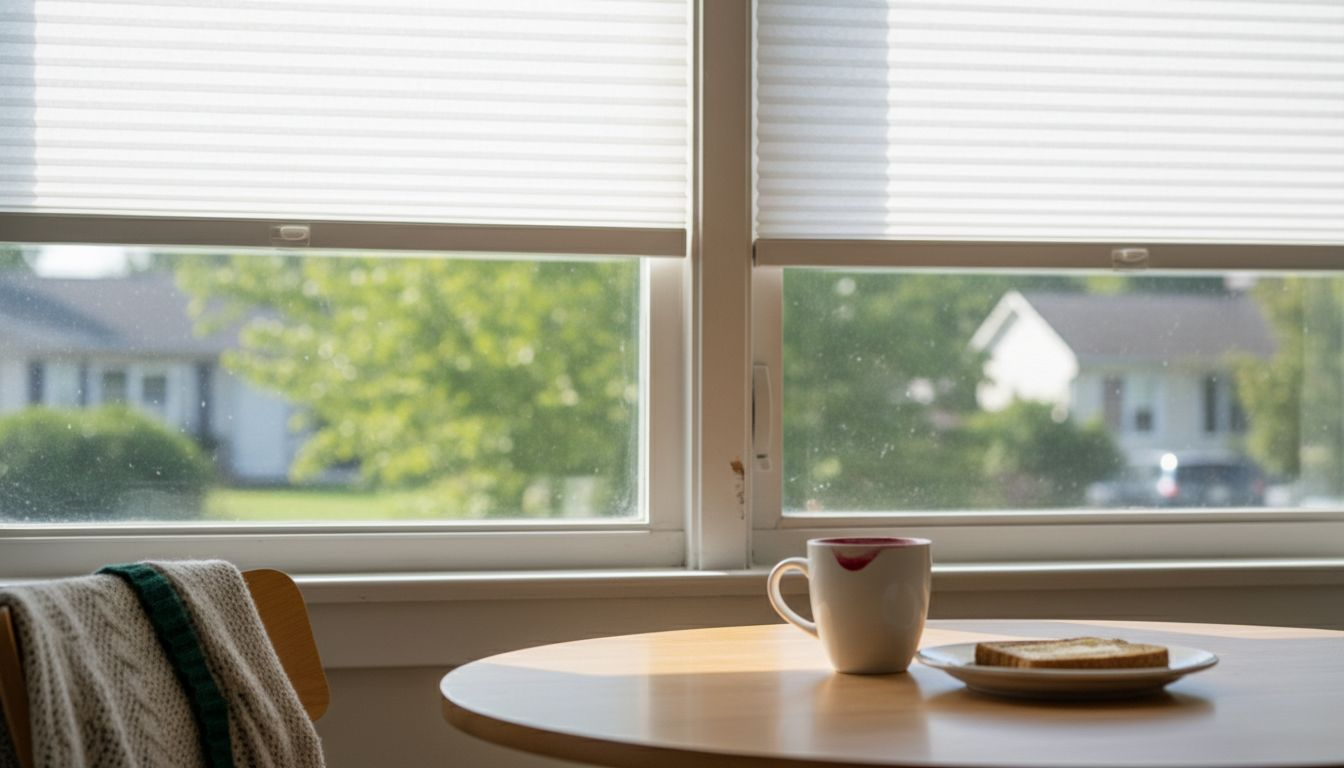
Cellular shades, also called honeycomb shades, feature air pockets within their structure that trap air and create insulation barriers. Cellular blinds reduced heat escaping through windows by up to 32% compared to no blinds at all, making them the top choice for energy-conscious homeowners. They operate with cordless lift systems or motorization, come in single or double cell configurations, and offer blackout or light-filtering fabrics. The downside is limited style variety compared to fabric treatments, and lower-quality versions can look utilitarian rather than decorative.
Roman shades combine the softness of fabric with the functionality of blinds, folding into neat horizontal pleats when raised. They suit traditional and transitional interiors beautifully, offering countless fabric choices from sheer to blackout. Custom roman shades allow pattern matching and trim details that coordinate with other room textiles. However, they require more maintenance than hard treatments, and the folding mechanism can malfunction if not properly constructed.
Roller shades deliver sleek minimalism with a single fabric panel that rolls around a tube mechanism. They work exceptionally well in contemporary spaces, home offices, and anywhere you want unobtrusive window coverage. Modern versions include solar screens that reduce glare while maintaining views, and blackout options for bedrooms. Installation is straightforward, and motorized versions integrate with smart home systems. The limitation is their utilitarian appearance, which may feel too plain for formal living spaces.
Wood blinds bring natural warmth and texture through horizontal slats made from real wood or faux wood composites. They provide excellent light control by tilting slats to any angle, and their classic appeal suits various décor styles from farmhouse to traditional. Faux wood versions resist moisture better than real wood, making them suitable for bathrooms and kitchens. The drawbacks include weight (requiring strong mounting), higher cost for quality materials, and potential warping in humid environments for real wood versions.
Drapery offers unmatched versatility through endless fabric choices, heading styles, and layering possibilities. Floor-length panels create elegance and drama, while café curtains provide casual charm. Drapery softens hard architectural lines, improves room acoustics, and allows creative expression through color and pattern. You can layer sheers behind for privacy while maintaining light, or use blackout linings for complete darkness. The trade-offs are higher cost for quality custom drapery, more cleaning maintenance, and the need for proper hardware to support fabric weight.
Exploring window treatment trends for 2025 reveals how these classic styles adapt to contemporary preferences through new colors, textures, and operating mechanisms. Motorization, sustainable materials, and layered treatments continue gaining popularity across all style categories.
Comparing window treatment styles: a side-by-side look
This comparison table summarizes key attributes to help you evaluate which styles best match your priorities and constraints.
| Style | Cost Range | Energy Efficiency | Installation Complexity | Best Use Cases |
|---|---|---|---|---|
| Cellular Shades | $$ | Excellent (32% heat reduction) | Easy | Bedrooms, offices, any room needing insulation |
| Roman Shades | $$$ | Good with linings | Moderate | Living rooms, bedrooms, traditional spaces |
| Roller Shades | $ to $$ | Fair to good | Easy | Kitchens, bathrooms, modern spaces |
| Wood Blinds | $$ to $$$ | Fair | Moderate | Dining rooms, offices, classic interiors |
| Drapery | $$ to $$$$ | Good to excellent | Moderate to difficult | Living rooms, bedrooms, formal spaces |
Durability varies significantly across styles. Wood blinds and quality roller shades last 10-15 years with minimal maintenance. Drapery longevity depends on fabric quality and sun exposure, typically requiring replacement every 7-10 years. Cellular shades perform well for 5-8 years before mechanisms wear out or fabrics fade.
Maintenance requirements differ dramatically. Hard treatments like blinds need only periodic dusting or wiping, while fabric treatments require vacuuming, occasional professional cleaning, or washing for machine-washable versions. Roller shades fall in between, needing spot cleaning but no extensive maintenance.
Cellular blinds consistently ranked as one of the most effective shading products tested in terms of insulation and thermal performance, validating their premium position for energy efficiency. This makes them particularly valuable in extreme climates where heating and cooling costs run high.
Installation complexity affects both DIY feasibility and professional installation costs. Roller shades and cellular shades typically mount with simple brackets and minimal tools. Wood blinds require more precision due to weight and multiple mounting points. Drapery installation demands accurate rod placement, proper anchoring, and sometimes ceiling mounting for dramatic floor-to-ceiling looks.
For a comprehensive overview of how different treatments compare across more attributes, review this window treatment types comparison that includes regional considerations for South Carolina’s climate and architectural styles.
Tips for installation and choosing custom versus ready-made window treatments
Proper installation transforms even basic window treatments into polished, professional-looking features. These guidelines ensure your selected styles perform optimally and enhance your space.
-
Measure three times before ordering or cutting. Record width at top, middle, and bottom of the window frame, using the narrowest measurement for inside mounts. For outside mounts, add 4-6 inches to width for adequate overlap and light blocking.
-
Mount rods or valances 4-6 inches above the window frame to create height illusion. This positioning makes ceilings appear taller and windows more prominent. Extend rods 3-4 inches beyond each side of the frame so opened treatments clear the glass completely.
-
Use wall anchors rated for twice your treatment’s weight. Drapery hardware, especially for heavy fabrics or long panels, can weigh 15-20 pounds or more. Standard drywall screws will fail over time without proper anchoring into studs or using heavy-duty toggle bolts.
-
Level everything obsessively. Even a quarter-inch deviation becomes glaringly obvious once treatments are installed. Use a quality level for all bracket and rod placement, and double-check before drilling final holes.
-
Consider professional installation for complex treatments. For motorized blinds, large shutters, or custom drapery, always hire a professional installer who has specialized tools and experience preventing costly mistakes.
Pro Tip: Take photos of your windows from multiple angles and distances before shopping. These images help you visualize how different styles will look in your actual space, and you can show them to designers or retailers for better recommendations.
The custom versus ready-made decision hinges on window dimensions, budget, and desired quality. Ready-made treatments work well for standard window sizes (common widths like 24, 36, 48 inches), limited budgets, and quick installation needs. They offer immediate availability and lower costs, though fabric and hardware choices are restricted to manufacturer offerings.
Custom treatments excel for non-standard windows, unique architectural features, and when you want specific fabrics or details. They provide perfect fits, unlimited design possibilities, and typically higher quality construction. The premium price (often 50-100% more than ready-made) buys exact specifications, professional measuring, and expert installation. Custom options become essential for bay windows, arched windows, or extra-wide expanses where ready-made sizes don’t exist.
Quality differences between custom and ready-made extend beyond fit. Custom workrooms use commercial-grade linings, reinforced seams, and professional finishing techniques that increase longevity. Ready-made versions may use lighter-weight fabrics, simpler construction methods, and less durable hardware to hit lower price points.
Staying current with custom window treatment trends helps you make choices that will remain stylish for years rather than looking dated quickly. Timeless styles with quality construction provide better long-term value than trendy ready-made options requiring frequent replacement.
Explore designer fabrics and custom solutions at Beautiful Windows Elgin
After learning about window treatment styles and installation best practices, finding the right materials and expertise brings your vision to life. Beautiful Windows Elgin specializes in designer fabrics by the yard, custom drapery solutions, and decorative textiles that transform ordinary windows into stunning focal points.
Our extensive fabric collection includes everything from classic cotton and elegant embroidered patterns to luxurious jacquard satin and practical waterproof canvas fabric for outdoor furniture. Whether you’re a DIY enthusiast creating your own treatments or an interior designer sourcing materials for client projects, you’ll find premium options that combine beauty with performance.

We serve homeowners, professional drapery workrooms, and interior designers throughout Columbia, SC and nationwide with personalized design consultations, sample requests, and custom drapery appointments. Browse designer fabrics by the yard to discover materials that match your style vision, or schedule a consultation to discuss custom solutions tailored to your specific windows and décor requirements.
FAQ
What are the most energy-efficient window treatment styles?
Cellular blinds provide the best insulation, reducing heat loss by 32% compared to bare windows. Their honeycomb structure traps air in pockets that act as thermal barriers. Layered drapery with thermal linings also performs well, blocking drafts and reflecting heat back into rooms during winter. These treatments significantly reduce heating and cooling costs while improving comfort.
How high should I mount drapery rods for the best look?
Mount drapery rods 4-6 inches above the window frame to create the illusion of height and make ceilings appear taller. This positioning also allows opened panels to clear the glass completely, maximizing natural light. Avoid mounting rods directly at the frame top, which makes rooms feel shorter and windows smaller than they actually are.
When should I hire a professional installer for window treatments?
Professional installation is essential for motorized blinds, large shutters, or custom drapery where mistakes prove costly. Complex treatments requiring ceiling mounts, heavy hardware, or precise measurements benefit from expert handling. Professionals have specialized tools, experience with various mounting surfaces, and knowledge of building codes. They also provide warranties covering installation defects.
Can I mix different window treatment styles in the same room?
Yes, mixing styles works well when you maintain visual cohesion through color, material, or finish. For example, use wood blinds on standard windows and matching wood shutters on French doors. Layer cellular shades for privacy with decorative drapery panels for softness. Keep hardware finishes consistent (all brushed nickel or oil-rubbed bronze) and coordinate colors across different treatment types for a unified look.
How do I clean different types of window treatments?
Hard treatments like wood blinds and roller shades need only regular dusting with microfiber cloths or vacuum brush attachments. Cellular shades can be vacuumed gently or spot-cleaned with mild soap and water. Fabric treatments require more care: vacuum drapery monthly with upholstery attachments, and have them professionally cleaned every 2-3 years. Some roman shade fabrics are machine washable, but always check manufacturer guidelines before cleaning to avoid shrinkage or damage.
Recommended
- Fall Window Treatment Trends 2025: Warmth, Texture Tailored Elegance – Shop Designer Fabrics by the Yard | Curtains & Drapery
- Fall Window Treatment Trends 2025: Warmth, Texture Tailored Elegance – Shop Designer Fabrics by the Yard | Curtains & Drapery
- Fall Window Treatment Trends 2025: Warmth, Texture Tailored Elegance – Shop Designer Fabrics by the Yard | Curtains & Drapery
- Fall Window Treatment Trends 2025: Warmth, Texture Tailored Elegance – Shop Designer Fabrics by the Yard | Curtains & Drapery
- What is energy efficient HVAC: A 2026 homeowner’s guide
- Tehokkaat kaihtimien energiansäästövinkit kotiisi - Tiimixi