


Cotton fabric for curtains: 2026 homeowners guide
Many homeowners assume all cotton curtain fabrics perform the same, but this oversimplification can lead to costly mistakes. Different cotton weaves, thread counts, and finishes dramatically affect durability, light control, and maintenance needs. This guide clarifies what cotton fabric for curtains truly means, helping you make informed decisions that balance style, function, and longevity for every room in your home.
Table of Contents
- Understanding Cotton Fabric Properties For Curtains
- How Weave And Thread Count Affect Curtain Performance
- Maintenance Tips And Practical Considerations For Cotton Curtains
- Choosing The Right Cotton Fabric For Your Home’s Style And Function
- Explore Designer Cotton Fabrics At Beautiful Windows Elgin
- Frequently Asked Questions
Key takeaways
| Point | Details |
|---|---|
| Cotton curtains offer breathable, versatile options | Natural fibers provide excellent air circulation and come in countless prints, colors, and weights to match any decor style. |
| Weave and thread count determine performance | Tightly woven fabrics with higher thread counts deliver superior durability and light blocking compared to loose, sheer weaves. |
| Pre-washing prevents shrinkage issues | Washing cotton fabric before sewing curtains can reduce shrinkage by up to 5%, ensuring proper fit after installation. |
| Regular maintenance extends curtain lifespan | Vacuuming weekly and washing every 3 to 4 months keeps cotton curtains fresh and prevents premature wear. |
| Lining enhances functionality significantly | Adding curtain lining improves light blockage, insulation, and protects fabric from sun damage and fading. |
Understanding cotton fabric properties for curtains
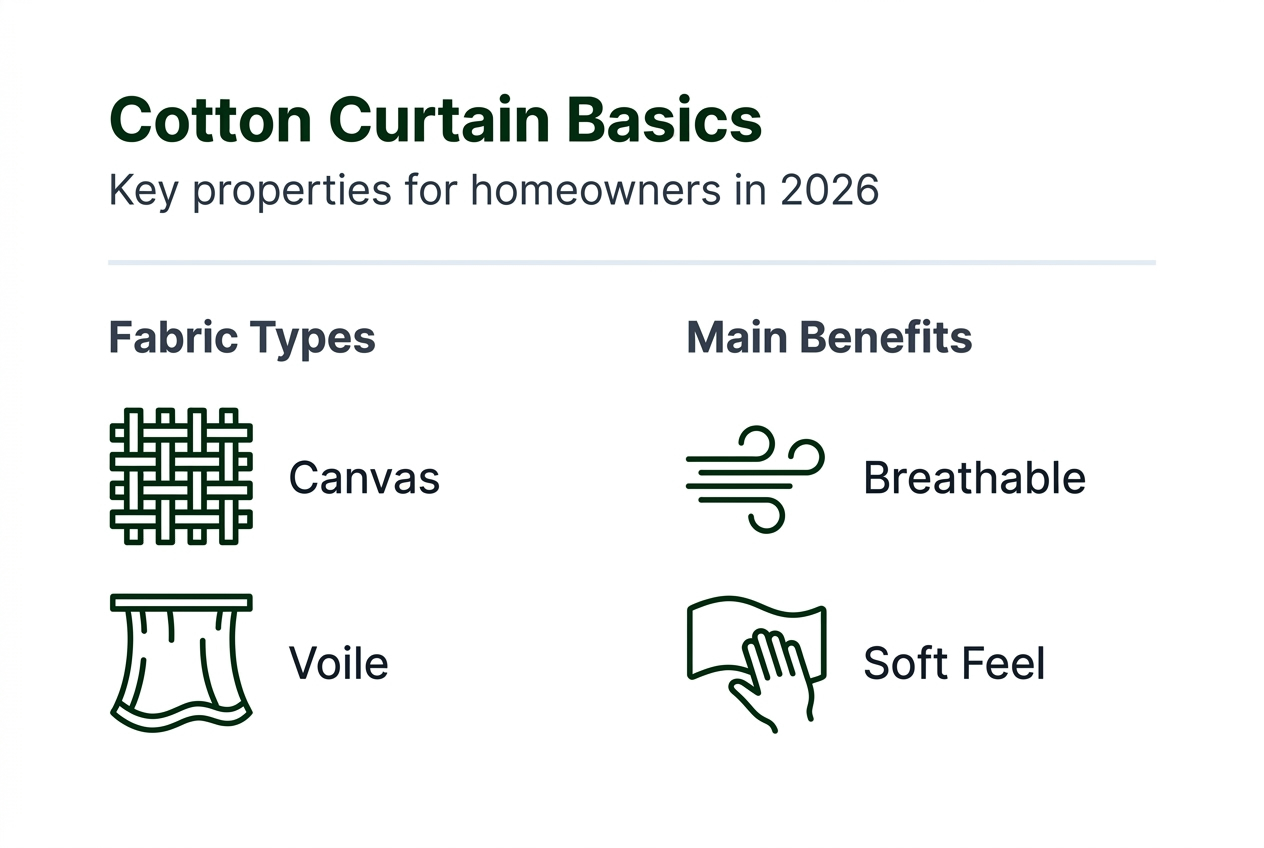
Cotton stands out as a natural fiber prized for its breathability and soft, comfortable texture. Cotton curtains are popular for breathability and soft texture found in various prints, colors, and weights, making them adaptable to nearly any interior design vision. The porous nature of cotton fibers allows exceptional air circulation, helping reduce moisture buildup and creating a healthier indoor environment. This natural characteristic makes cotton especially suitable for humid climates or rooms prone to condensation.
The versatility of cotton fabric extends beyond aesthetics to practical functionality. You can find cotton curtains in heavyweight canvas perfect for privacy, mid-weight options that balance light filtration and drape, or lightweight voiles that create an airy, romantic atmosphere. Each weight category serves different window treatment needs while maintaining cotton’s signature soft hand feel.
When evaluating cotton drapery style and durability, consider these fundamental properties:
- Natural fiber composition creates breathable, comfortable window treatments
- Wide availability in prints, solids, and textures suits diverse design preferences
- Moisture wicking properties help regulate room humidity
- Accepts dyes well, offering rich, saturated colors
- Soft drape creates elegant folds and pleats
- Easy to sew and manipulate for DIY curtain projects
Understanding these basic cotton characteristics sets the foundation for selecting fabric that matches your specific curtain needs. The key lies in recognizing that cotton’s inherent qualities make it an excellent starting point, but weave structure and thread count will ultimately determine how your curtains perform day to day.
How weave and thread count affect curtain performance
Weave structure dramatically impacts how cotton curtains function in your space. Tightly woven cotton like canvas or twill provides better durability and light blocking compared to loosely woven options such as voile or muslin. The tighter the weave, the less light penetrates through the fabric, creating better privacy and room darkening effects. Canvas and duck cloth, for example, create substantial barriers against morning sunlight, making them ideal for bedrooms.
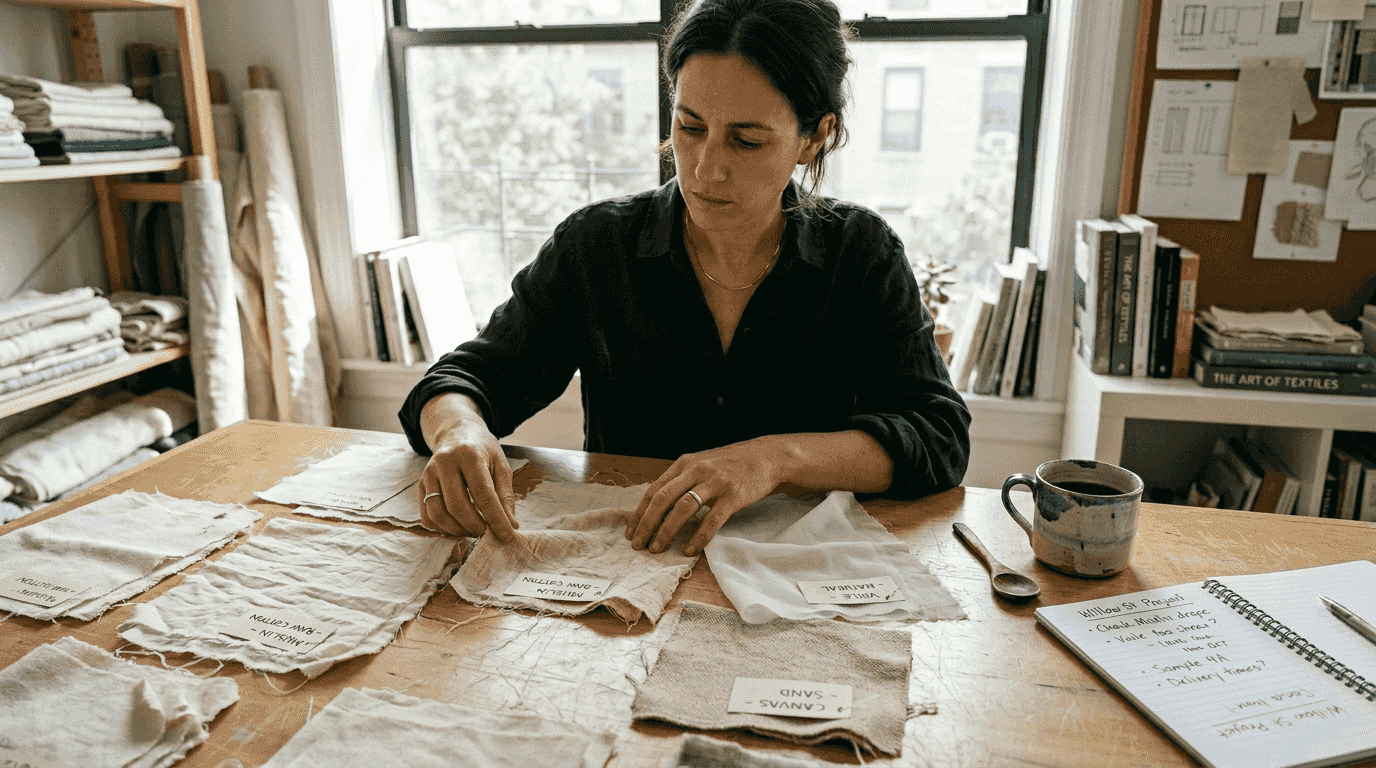
Loosely woven cotton fabrics serve different purposes entirely. Voile, gauze, and loosely woven muslin filter light beautifully while maintaining airflow, perfect for living rooms or kitchens where you want natural light without harsh glare. These sheerer fabrics create a soft, diffused glow but offer minimal privacy, especially at night when interior lights are on.
Thread count measures fabric density by counting the number of threads per square inch. Higher thread counts (above 200) correlate to increased resistance to wear and tear, meaning your curtains will maintain their appearance longer. Fabrics with thread counts between 200 and 400 strike an excellent balance between durability and drapability for most curtain applications.
| Weave Type | Light Control | Durability | Best Room Use |
|---|---|---|---|
| Canvas/Duck | Excellent blocking | Very high | Bedrooms, media rooms |
| Twill | Good blocking | High | Living rooms, offices |
| Poplin | Moderate filtering | Medium | Dining rooms, hallways |
| Voile | Minimal blocking | Low | Kitchens, sunrooms |
| Muslin | Light filtering | Low to medium | Casual spaces, layering |
Pro Tip: Hold fabric samples up to a window in natural light before purchasing. This reveals exactly how much light will filter through and helps you visualize the final effect in your space.
Understanding the relationship between weave and function helps you match fabric to purpose. Bedrooms demand privacy and light control, pointing toward tighter weaves. Living areas often benefit from fabrics that soften sunlight while maintaining brightness. Explore the curtain fabric types list to compare specific weave options and their characteristics. Selecting the right weave prevents disappointment and ensures your cotton curtains deliver the performance you expect.
Maintenance tips and practical considerations for cotton curtains
Proper care extends cotton curtain lifespan significantly while maintaining fresh appearance and functionality. Vacuuming weekly and washing cotton curtains every 3 to 4 months is recommended, with handwoven cotton requiring gentler treatment. Regular vacuuming with an upholstery attachment removes dust, pollen, and allergens before they embed deep into fabric fibers. This simple weekly habit prevents buildup that can dull colors and weaken fibers over time.
Pre-washing cotton fabric before sewing curtains is absolutely critical. Pre-washing cotton fabric reduces shrinkage by up to 5%, ensuring your finished curtains maintain proper length after the first wash. Skip this step and you risk curtains that suddenly become too short, exposing windows and disrupting your room’s aesthetic. Wash fabric in the temperature you plan to use for ongoing care, typically warm or cold water.
Follow these maintenance steps for long-lasting cotton curtains:
- Vacuum curtains weekly using low suction and upholstery brush attachment
- Spot clean stains immediately with mild detergent and cold water
- Remove curtains and machine wash on gentle cycle every 3 to 4 months
- Use cold or warm water with mild, color-safe detergent
- Avoid harsh bleach or whitening agents that weaken cotton fibers
- Line dry or tumble dry on low heat to minimize shrinkage
- Iron on medium heat while slightly damp for crisp appearance
- Rehang curtains promptly to prevent wrinkles from setting
Pro Tip: Rotate curtains in high-traffic or sun-exposed windows every six months. This distributes wear evenly and prevents one side from fading faster than the other.
Protecting cotton curtains from excessive sun exposure preserves color vibrancy. Direct sunlight causes gradual fading, especially in rich, dark colors. Consider UV-protective window film or position furniture to block the harshest afternoon rays. Adding curtain lining creates an extra barrier against sun damage while improving insulation and light control. Lined curtains last significantly longer because the lining absorbs UV radiation before it reaches the decorative face fabric. Check the curtain cleaning guide for detailed washing instructions tailored to different cotton types and finishes.
Choosing the right cotton fabric for your home’s style and function
Successful curtain selection requires balancing aesthetic preferences with practical performance needs. Start by evaluating each room’s specific requirements: bedrooms need privacy and light blocking, while living spaces might prioritize filtered natural light and decorative appeal. Balancing translucency, weight, and light diffusion is key for effective control and style harmony.
Fabric weight directly affects drape quality and the overall visual impact of your curtains. Heavier cotton creates luxurious, structured folds that puddle elegantly on the floor, perfect for formal dining rooms or master bedrooms. Lighter cotton floats and billows, creating casual, relaxed aesthetics ideal for beach houses or cottage-style homes. Consider the architectural style of your space when selecting fabric weight to ensure cohesion.
Ring-spun cotton yarn produces superior fabric quality compared to standard cotton. The spinning process creates stronger, smoother fibers that hold color better and resist pilling. If longevity matters for high-use areas, invest in ring-spun cotton fabrics. You’ll notice the difference in how the curtains maintain their appearance year after year.
Fabric certifications provide assurance of quality and safety. Certifications like GOTS and OEKO-TEX ensure fabric quality and safety, particularly important for bedrooms and children’s spaces where chemical sensitivities matter. Organic cotton fabrics eliminate pesticide residues and harsh chemical treatments, creating healthier indoor environments.
Key selection factors to evaluate:
- Room function dictates privacy level and light control needs
- Window size and ceiling height influence fabric weight and fullness
- Existing decor colors and patterns guide fabric selection
- Climate considerations affect lining and insulation requirements
- Maintenance commitment determines fabric finish and treatment choices
- Budget constraints balance quality expectations with practical limits
Testing fabric swatches in your actual space is invaluable. Natural light changes throughout the day, revealing how translucent or opaque fabric truly appears. Drape swatches over a chair or hold them against the window at different times to see color accuracy and light filtration. This simple step prevents expensive mistakes and ensures you’re thrilled with the final result.
| Room Type | Recommended Weight | Ideal Weave | Lining Suggestion |
|---|---|---|---|
| Bedroom | Medium to heavy | Canvas, twill | Blackout or thermal |
| Living room | Light to medium | Poplin, cotton blend | Optional sheer or light |
| Kitchen | Light | Voile, muslin | None or cafe style |
| Dining room | Medium to heavy | Twill, jacquard | Decorative or light |
| Bathroom | Medium | Moisture-resistant blend | Waterproof or none |
Lining options dramatically expand cotton curtain functionality. Blackout lining transforms any cotton into a room-darkening solution, perfect for shift workers or light-sensitive sleepers. Thermal lining improves energy efficiency by reducing heat transfer through windows, lowering heating and cooling costs. Decorative lining in contrasting colors or patterns adds depth and visual interest when curtains are tied back. Review the curtain fabric selection guide for comprehensive comparisons of fabric options and how they perform in different applications.
Explore designer cotton fabrics at Beautiful Windows Elgin
Ready to transform your windows with quality cotton curtain fabric? Beautiful Windows Elgin offers an expertly curated collection of designer fabrics perfect for custom curtains that reflect your personal style. Browse designer fabrics by the yard to find cotton blends, textured weaves, and specialty finishes that combine beauty with durability. Whether you need heavyweight canvas for privacy or elegant sheers for filtered light, you’ll discover options that match your specific requirements.

Our selection includes versatile options like french teal fabric smooth polyester blend that pairs beautifully with cotton for layered window treatments, or durable silver waterproof canvas fabric for outdoor spaces that need weather-resistant performance. Based in Columbia, SC, we serve DIY enthusiasts and interior designers nationwide with fabrics that elevate any window treatment project. Expert guidance is available to help you select the perfect fabric weight, weave, and color for your home’s unique needs.
Frequently asked questions
How much will cotton curtains shrink after washing?
Cotton curtains typically shrink 3% to 5% after the first wash if the fabric hasn’t been pre-washed. Pre-washing fabric before sewing prevents this issue entirely. Always wash finished curtains in cold or warm water and tumble dry on low heat to minimize further shrinkage.
Can I use cotton curtains in humid bathrooms or kitchens?
Yes, cotton curtains work well in humid spaces because the natural fibers are breathable and help regulate moisture. Choose medium-weight cotton with a tighter weave to prevent excessive water absorption. Wash curtains more frequently in humid rooms to prevent mildew growth.
What’s the best way to remove wrinkles from cotton curtains?
Steam is the most effective method for removing wrinkles from hanging cotton curtains. Use a handheld steamer or iron on medium heat while the fabric is slightly damp. For stubborn creases, lightly mist curtains with water and let gravity smooth them as they dry.
How does cotton compare to polyester for curtain fabric?
Cotton offers superior breathability, softness, and a natural appearance that many prefer for home decor. Polyester resists wrinkles better and typically costs less but lacks cotton’s organic feel and moisture-wicking properties. Many homeowners choose cotton blends that combine the best qualities of both fibers.
Should I line cotton curtains or leave them unlined?
Lining cotton curtains significantly improves performance by enhancing light control, privacy, and insulation while protecting the face fabric from sun damage. Bedrooms benefit most from blackout or thermal lining, while living spaces can use lighter lining or remain unlined for casual, airy aesthetics.
How often should I replace cotton curtains?
Well-maintained cotton curtains last 5 to 10 years depending on fabric quality, sun exposure, and care habits. Replace curtains when you notice significant fading, fabric thinning, or permanent stains that washing can’t remove. Higher thread count fabrics and lined curtains generally last longer than lightweight, unlined options.
Recommended
- 7 Essential Curtain Fabric Types List for Homeowners – Shop Designer Fabrics by the Yard | Curtains & Drapery
- Cotton Drapery Explained: Style, Durability, and Impact – Shop Designer Fabrics by the Yard | Curtains & Drapery
- Curtain fabric types: Choose perfect fabrics for style – Designer Fabrics by the Yard | Drapery Making Services
- Curtain Fabric Selection Guide 2026: Pick Styles That Last 30% Longer – Designer Fabrics by the Yard | Drapery Making Services